Laura is the Senior Content Marketing Manager at Postscript. She has spent the past decade working in ecommerce. When she isn't writing about her favorite topic (marketing) or listening to podcasts about her other favorite topic (ecommerce), she's hanging out with her two sons on an island off the coast of Maine.
SMS List Growth: How to Grow Your SMS Subscriber List and Increase Ecommerce Revenue
What is SMS List Growth?
SMS list growth is the process of increasing the number of subscribers who opt in to receive marketing text messages from your brand. Ecommerce businesses grow their SMS lists through website opt-ins, checkout subscriptions, social media promotions, email campaigns, and post-purchase strategies.
A larger SMS subscriber list increases the number of customers you can directly reach with promotions, product launches, and automated flows, which increases revenue potential.
Why is SMS list growth important?
SMS list growth directly impacts revenue because:
Every subscriber is a future marketing touchpoint
SMS has high open and engagement rates
Automated SMS flows convert high-intent shoppers
Subscriber growth compounds over time
The earlier a brand invests in SMS subscriber acquisition, the more revenue it can generate during peak sales periods like product launches and BFCM.
How do ecommerce brands grow their SMS subscriber list?
Building a Foundation
Leveraging Existing Communities
Activating VIP Customers
Driving Revenue with Automation
Level 1: Capture Website Traffic
Website visitors are your most scalable source of SMS subscribers.
1. Add SMS Checkout Opt-In
An SMS checkout opt-in is a checkbox displayed during the checkout process that allows customers to subscribe to marketing texts.
Why it works:
Targets high-intent purchasers
Requires minimal friction
Consistently drives new subscriber growth
Best practice:
Always include compliant opt-in language and clear consent disclosure.
2. Use Desktop SMS Popups
Desktop popups collect phone numbers from browsing visitors in exchange for an incentive.
Common incentives:
Percentage discount
Early access to sales
VIP exclusives
Popups convert existing traffic into subscribers without increasing ad spend.
3. Use Mobile Popups
Mobile popups allow users to tap a button that opens a pre-filled SMS message to subscribe.
Why it works:
Reduces typing friction
Increases mobile conversion rates
Simplifies the opt-in experience
4. Add Onsite Opt-In Modules
Embedded SMS signup forms placed in footers, product pages, or landing pages increase subscriber capture opportunities beyond popups.This improves overall SMS lead capture coverage.
5. Offer Back-in-Stock Alerts
Back-in-stock alerts allow shoppers to subscribe to receive a text notification when a product becomes available again.
Benefits:
Captures high-intent demand
Grows your SMS list
Drives incremental revenue
Level 2: Leveraging Existing Communities
Convert Email Subscribers into SMS Subscribers
1. Add a Keyword CTA in Emails
Add a simple line encouraging readers to text a keyword to join your SMS list.
Example: Text DEALS to 54321
2. Build a Dedicated Email Flow
Create a 3–5 email sequence focused on SMS opt-in, with each email emphasizing a different subscriber benefit.
3. Convert Social Followers into SMS Subscribers
Instagram: Promote giveaways, VIP access, and early sale access. Use compliant language + sticker links.
Instagram Profile Link: Add your SMS opt-in link via tools like Linktree.
Facebook: Organic posts and/or paid ads promoting opt-ins with incentives.
TikTok: Do not display phone numbers. Use link in bio to SMS opt-in landing page. Mention opt-in in videos.
X (Twitter): Add opt-in links in bio and pinned tweet. Use images with keyword CTAs for better engagement.
Level 3: Activating VIP Customers
Engage Your Most Loyal Fans
1. Product Waitlists: Build hype and exclusivity around new drops by offering SMS-first access.
2. SMS-Only Sales: Run secret sales exclusive to SMS subscribers.
3. Recurring SMS Perks: Offer limited edition items or gifts to SMS subscribers at regular intervals.
4. Giveaways: Run high-value giveaways where SMS subscription is required for entry.
Convert Purchasers & In-Store Shoppers
1. QR Code Inserts: Include scannable QR codes in shipments to drive opt-in post-purchase.
2. Product Tags & Packaging: Print opt-in QR codes directly on product tags, packaging, or boxes.
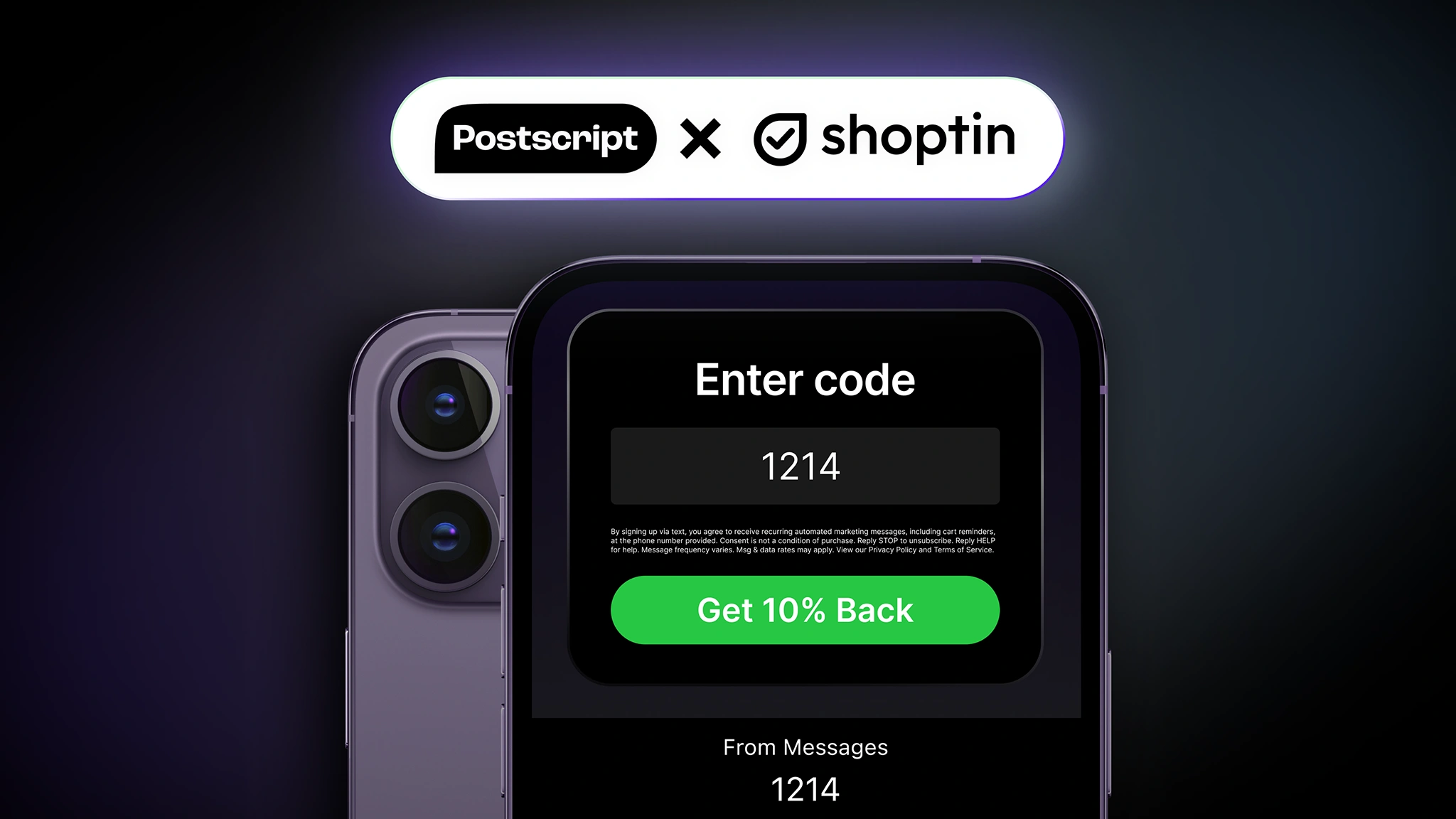
Note: CashBack (Post-purchase incentive)
Replacing upfront discounts with post-purchase incentives like CashBack can increase conversions, grow subscriber lists, improve customer lifetime value, protect margins, and reduce promo waste.
Level 4: Driving Revenue (Turn Subscribers into Sales)
SMS list growth alone does not increase revenue. Subscribers must be activated.
The following automations convert subscribers into sales:
1. Welcome Series
A welcome series introduces new subscribers to your brand and delivers an incentive or engagement message.
Effective welcome flows:
Send 2–3 messages
Include clear value
Drive immediate purchase or engagement
2. Abandoned Cart Automation
Abandoned cart messages remind shoppers to complete their purchase.
These messages target high-intent customers and recover lost revenue.
3. Browse Abandonment
Browse abandonment messages re-engage visitors who viewed products but did not add them to cart.
Including product details or bundles increases conversion rates.
Personalize Messaging by Opt-In Source
Subscriber intent varies based on how they joined your SMS list.
Examples:
Keyword subscribers may expect immediate offers
Popup subscribers may expect discounts
Waitlist subscribers expect product launch alerts
Personalizing welcome flows improves engagement and conversion rates.
Final Takeaway
The 4 Best Ways to Grow Your SMS List:
Capture website traffic (popups, checkout opt-in, back-in-stock alerts)
Convert email and social followers
Activate VIP customers with exclusivity
Use automated flows to turn subscribers into revenue about growing your list
Frequently Asked Questions About SMS List Growth
1. How can I convert email subscribers into SMS subscribers?
You can convert email subscribers into SMS subscribers by adding keyword CTAs to newsletters, creating a dedicated SMS promotion email sequence, offering exclusive SMS-only perks, and clearly explaining the benefits of joining your text list.
2. How do popups help grow an SMS list?
Popups help grow an SMS list by capturing website visitors before they leave. When paired with an incentive like a discount or early access, SMS popups convert browsing traffic into subscribers who can later be nurtured through automated campaigns.
3. What is an SMS checkout opt-in?
An SMS checkout opt-in is a checkbox presented during the checkout process that allows customers to subscribe to marketing text messages. Because it targets high-intent shoppers, checkout opt-ins often drive consistent subscriber growth.
4. How do back-in-stock alerts grow SMS subscribers?
Back-in-stock alerts allow shoppers to subscribe for text notifications when out-of-stock products return. This strategy captures high-intent demand while growing your SMS subscriber list with customers who are likely to purchase.
5. What are the most effective SMS opt-in sources?
The most effective SMS opt-in sources include checkout opt-ins, desktop and mobile popups, email promotions, social media campaigns, and post-purchase QR codes. Combining these channels creates a diversified and scalable subscriber growth strategy.
6. How many SMS subscribers should an ecommerce brand have?
The ideal number of SMS subscribers depends on website traffic and customer volume. Many ecommerce brands aim to convert 3–8% of website visitors and a percentage of checkout purchasers into SMS subscribers to maintain steady growth.
7. How do Shopify stores grow their SMS list?
Shopify stores grow their SMS list by enabling SMS opt-in checkboxes at checkout, adding compliant popups to product and landing pages, promoting SMS signups through email campaigns, and using automated flows like abandoned cart and back-in-stock alerts to increase conversions.